

Pope Francis, Papal Bull, ‘Spes non confundit’
Pilgrimage is of course a fundamental element of every Jubilee event. Setting out on a journey is traditionally associated with our human quest for meaning in this life. A pilgrimage on foot is a great aid for rediscovering the value of silence, effort, and simplicity of life
By happy coincidence my decision to start out on the Via Francigena coincides with a Jubilee Year for the Catholic Church. Despite not being a Catholic – and indeed not even being a person of faith — I found that the focus of the 2025 Jubilee as proclaimed by Pope Francis (who is as I write recovering after a spell in hospital) resonated very strongly with me. He wishes us to understand ourselves as ‘Pilgrims of Hope […] on the earth, which the Lord has charged us to […] keep; may we never fail, in the course of our sojourn, to contemplate the beauty of creation and care for our common home’.
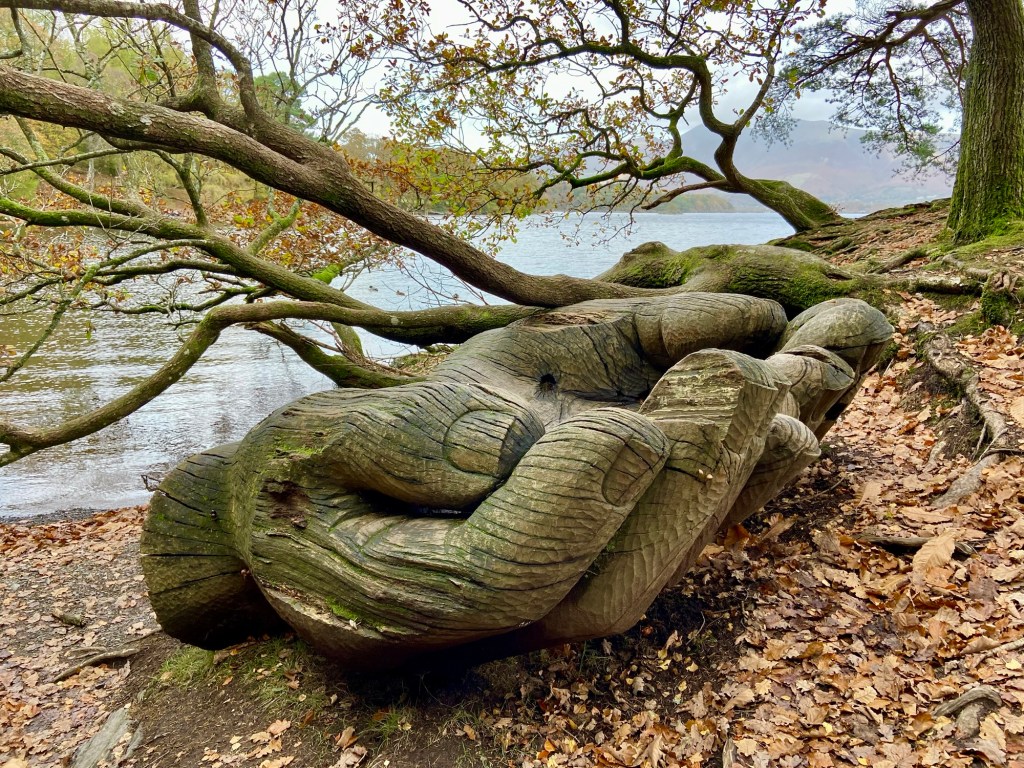
I don’t think there is much more than this to the way I experience the world when I am walking. Despite the puffing and panting, and the sweat (and occasionally also the blood and tears), long distance walking is nothing if not deeply contemplative, meditative, even for a secular creature such as myself. As I traverse my chosen path mile by mile on foot, I feel tremendously connected particularly to the landscape as it undergoes its seasonal changes, to the miraculous details of its flora and fauna, which strike me as simple and yet marvellously complex at the same time. I appreciate the fleeting connections with the people I meet on my way — connections which, however brief, stay with me. I feel an immense gratitude for the gift of being able to experience the world in such a way, for the gift of time, and of a body which I believe to be strong enough to attempt this journey — or, at least, one which will become so, by walking.

And so now that my expert in everything has returned home and I continue on alone, I will be walking the Via Francigena this Jubilee Year intentionally, as a ‘Pilgrim of Hope’, undertaking my secular pilgrimage to support those who ‘till and keep’ the land and ‘care for our common home’ by making a meaningful connection with the work of Plant Your Future, a charity which seeks to address the interlinked problems of climate change, biodiversity loss, and poverty.
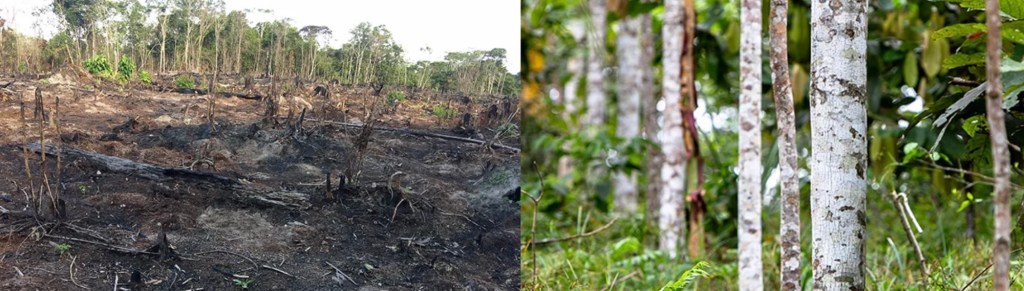
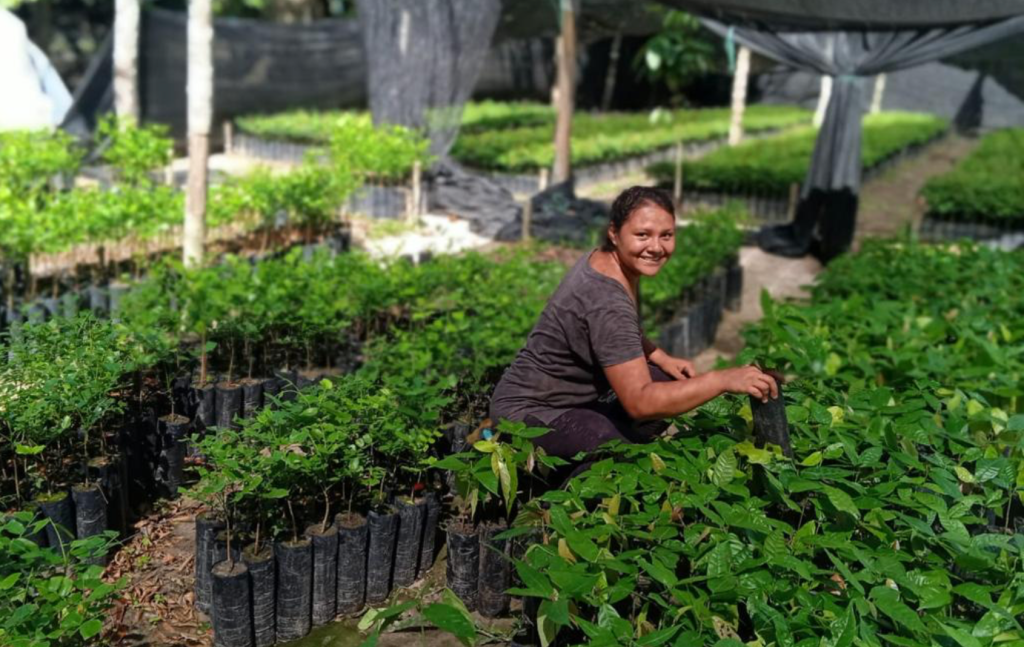
Plant Your Future works in the Western Arc of the Peruvian Amazon with more than a thousand smallholder farmers who have previously cut down their parcels of rainforest, trying, but failing, to ranch cattle successfully and grow subsistence crops. In razing the forest they have depleted their soils and experience a precarious life of poverty. Plant your Future seeks to ‘Plant Hope and Grow Change’ by teaching the smallholder farmers to practise sustainable agroforestry, providing native tree saplings grown in PYF’s tree nurseries with which to reforest their land. So far more than three quarters of a million native trees have been planted, and as I put one foot after another making my slow way across Europe, the farming families Plant Your Future supports are hard at work in the Amazon, making the most of the wet season to plant tens of thousands more.
As part of Plant Your Future’s ‘Seed to Self-Sufficiency in Five Years’ programme, farmers are provided with all the tools, equipment, training and skills to make their tree farms a success, supporting their families and their land, and securing a sustainable income from the sale of orchard crops such as cocoa, copoazu and limes.
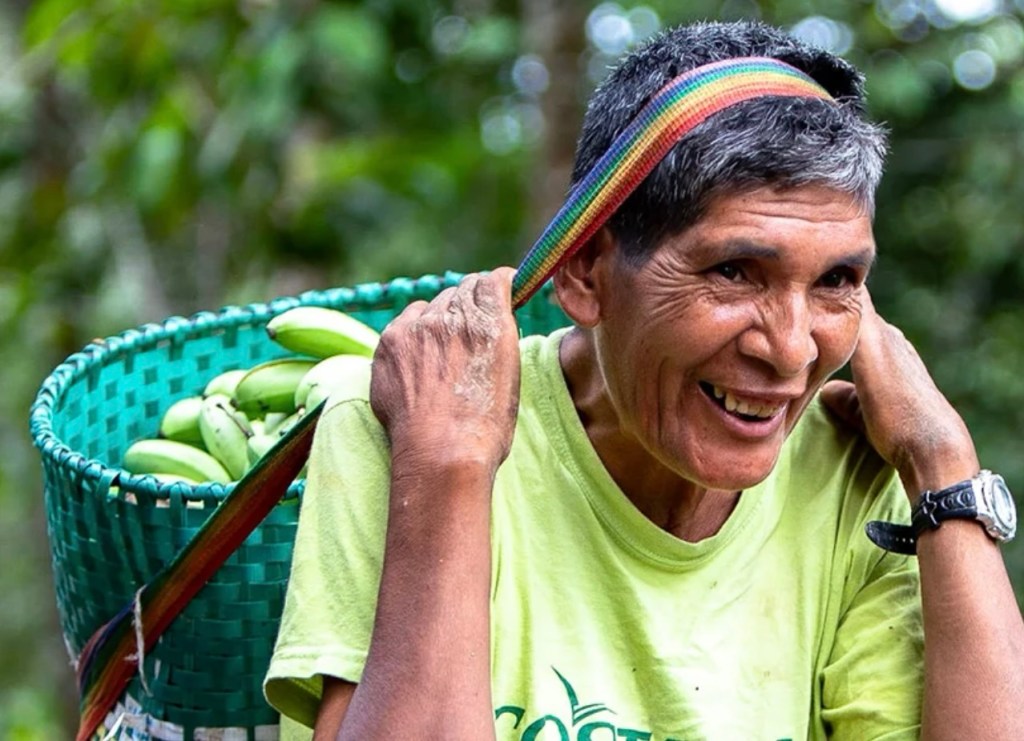
A green economy is growing and thriving in the remote areas in which Plant your Future works, providing stable local jobs in transport and planting, and opportunities particularly favourable for women, in the charity’s tree nurseries and their brand-new seed bank. Plant Your Future also provides career paths for those working as part of their technical teams on the ground, who run the farmer field schools and support the farmers in planting and tending their rainforest farms.
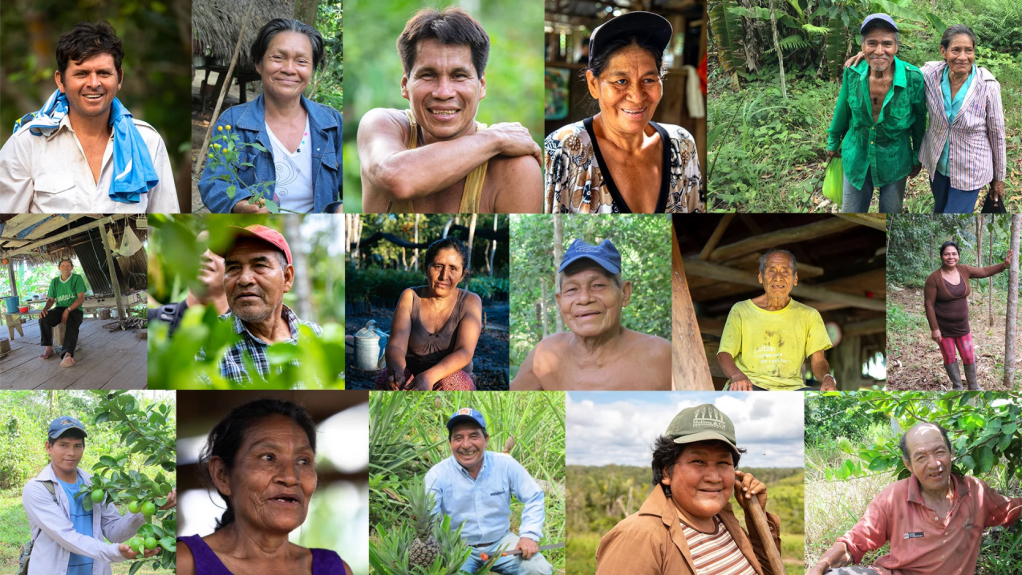
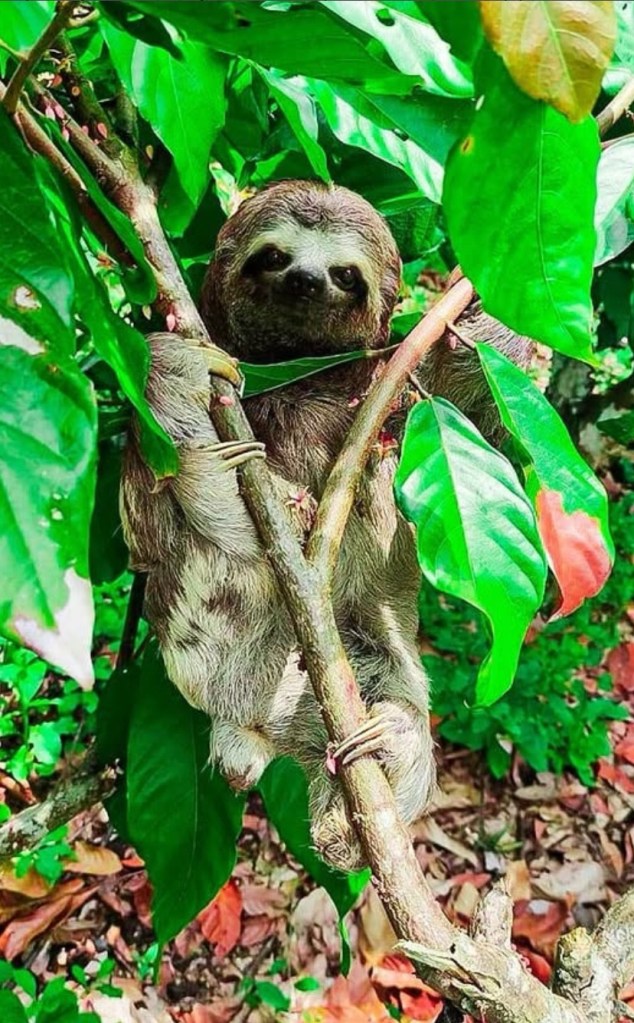
And the landscape is benefitting. Ecosystem connectivity creates restored habitats and wildlife corridors for the forest fauna, and farmers are seeing the biodiversity return to their land as their trees grow (unbelievably rapidly in the tropics!) and the local micro-climates recover. Tropical rainforest is the most effective ecosystem for taking carbon dioxide out of the atmosphere and storing it: to the tune of nearly 450 tonnes per hectare. To put this in context, each hectare of regrown rainforest can store the equivalent of a million car miles. With the help of Plant your Future, Peruvian farmers are working towards a goal of planting one million native rainforest trees by the end of this year.
Plant Your Future was founded and is chaired by my good friend Jenny Henman, a woman of tireless energy, expertise and commitment. I would be so grateful if you could support us both, me in my walking endeavours and Jenny in realising her vision for rainforest restoration and sustainable agriculture, by donating to my Pilgrimage of Hope fundraiser. Any donation, great or small, is hugely appreciated by me, Jenny and all who work for or benefit from Plant Your Future. Your gift will be put to effective work transforming lives and landscapes as the farmers support and ‘keep the land, restoring ‘the beauty of creation’ by caring for our one, precious, endangered ‘common home’.
💚 Donate here! 💚
Click here to watch Plant Your Future’s inspiring video of their work in the Peruvian Amazon
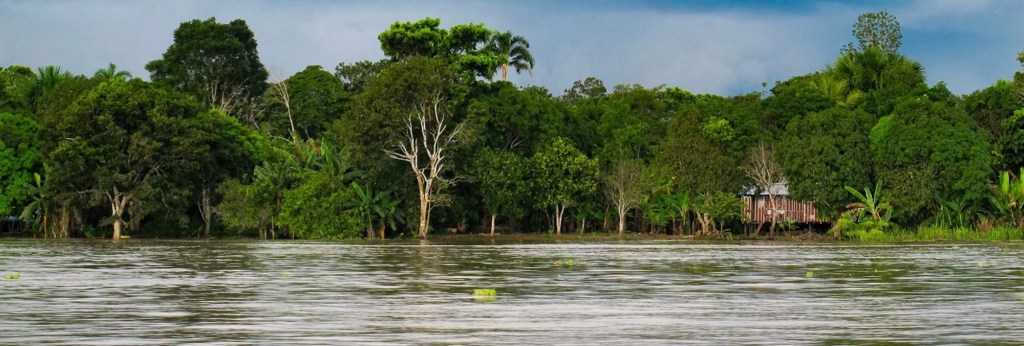
PYF images used with kind permission
💚
 Walking The Landscape